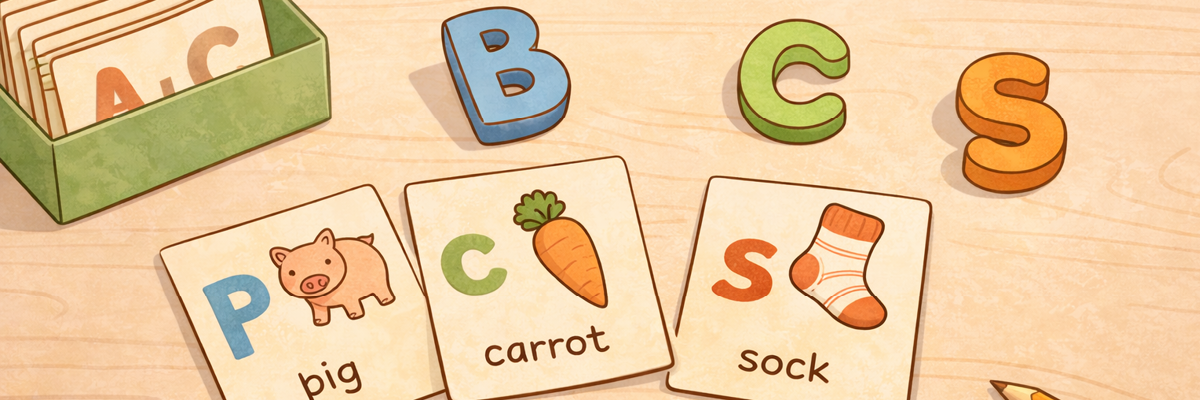
Phonics 是一套英文閱讀與拼字方法,透過學習字母(或字母組合)與讀音之間的關係,幫助學習者做到「見字能讀、聽音能串」。 學習 Phonics 後,學生不需要死記每一個英文單字,而是利用拼音規律,自行解碼未學過的生字。
Phonics 是點樣幫助閱讀的?
英文單字的讀音是由 Phonemes(音素) 組成,而 Phonics 的核心,就是教學習者辨認: 一個字包含哪些 phonemes 每個 phoneme 可能由哪些字母或字母組合代表

- cat:c – a – t(3 個 phonemes)
- ship:sh – i – p(3 個 phonemes)
- church:ch – ur – ch(3 個 phonemes)
透過學習這些音素與拼寫規律,學生可以把陌生單字「拆音 → 拼音 → 讀出來」,而不是靠猜或背誦。
英文一共有幾多個 Phonemes?
以英式英文為例,英文大約有 44 個 phonemes。這些 phonemes 由字母或字母組合(如 sh, ch, ee, oa 等)表示,而這套對應關係,通常被稱為 Phonics Code(拼音密碼)。 學會這套「密碼」,就能讀懂大量未學過的英文單字。
Phonics 對 ESL(第二語言)學習者有咩重要性?
對 香港 ESL 學習者 而言,Phonics 特別重要,因為:
- 英文拼寫與讀音並非完全直觀
- 單靠模仿或死記,容易讀錯或混亂
- Phonics 提供可預測、可解釋的閱讀系統
總結
Phonics 是一套透過字母與讀音規律,幫助學習者解碼英文單字的閱讀方法,特別適合兒童及 ESL 學習者建立長遠、準確的閱讀與拼字能力。
Phonics is a method of teaching reading by connecting letters and letter combinations with their sounds. By learning phonemes and phonics rules, children can decode unfamiliar words and develop independent reading skills.
Phonics is an essential reading method for ESL learners, especially children learning English as a second language. It helps learners understand the relationship between letters and sounds, rather than memorising whole words.
In English-speaking countries, phonics is a core part of early literacy education. A structured phonics approach supports reading accuracy, spelling development, and long-term reading confidence.